Journal
A Material Palette That Ages Well
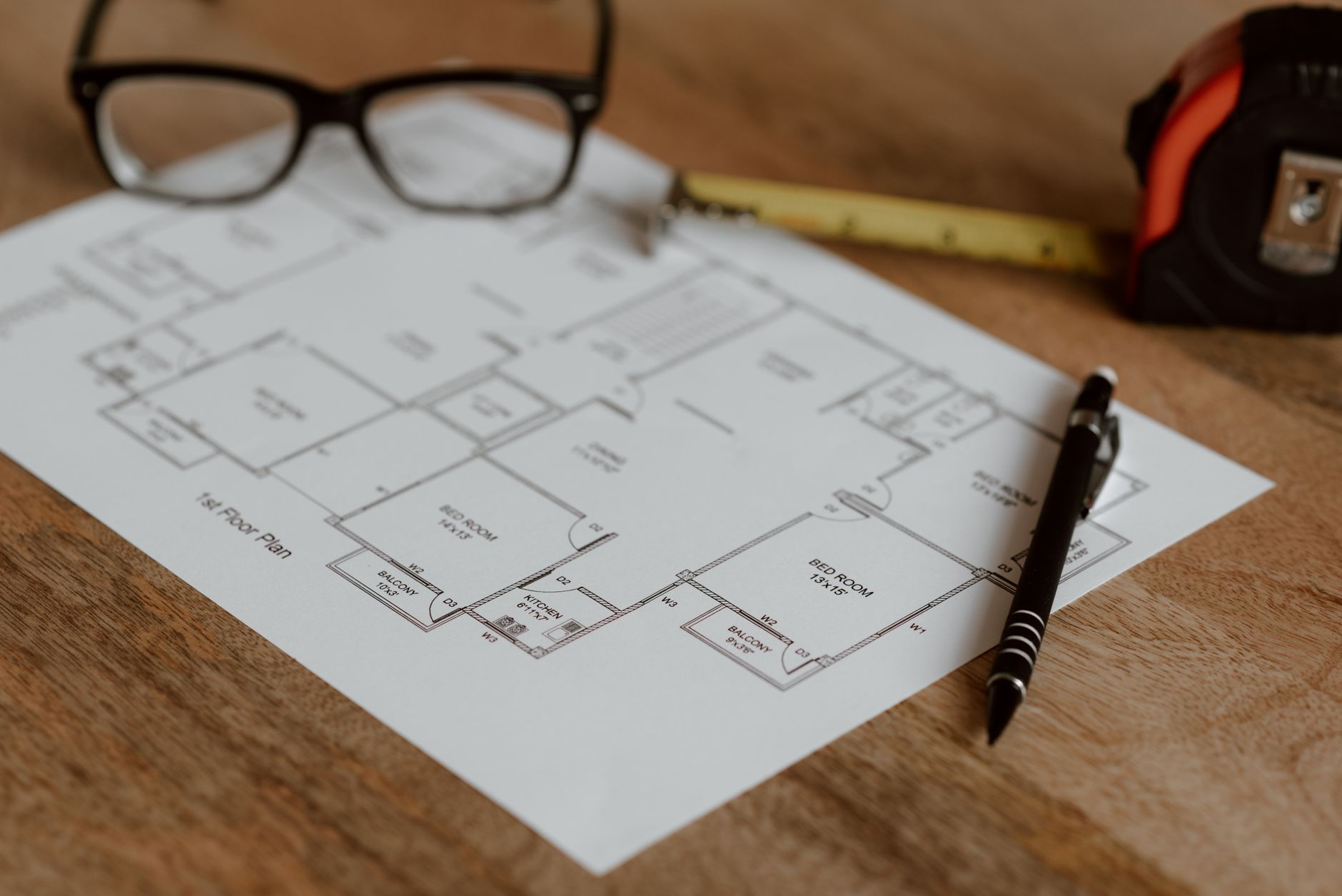
The most convincing buildings get better through use. We favor materials that can be maintained locally, repaired visibly, and allowed to record daily life.
That means fewer coatings, honest junctions, and mockups tested by touch—not only by screen.
Look beyond the first photograph
A finish is often chosen from a small, pristine sample. Yet the surface that matters is the one you will live with after repeated cleaning, sunlight, spills, and everyday contact. Start by describing where the material will be used and what it will encounter. A quiet wall and a busy entrance floor ask very different things of the same palette.
It helps to distinguish the changes you welcome from those you would find frustrating. Some people enjoy variation and visible wear; others prefer a more consistent appearance. Neither preference should be assumed. Discussing it early makes the material choices more personal and the expectations more realistic.
Ask how the surface is maintained
Before committing, ask the supplier how to clean the material, which products to avoid, and whether a damaged area can be repaired individually. Find out what maintenance involves in practical terms. A finish that needs regular attention may be a good fit, but only when that care matches the owner’s routines.
Consider the surrounding construction as well. A repairable surface loses some of its advantage if reaching it requires dismantling everything around it. The junctions, fixing methods, and access to replacement pieces belong in the conversation alongside color and texture.
Test materials together
Place samples beside each other in the space where they will be used, if possible. Look at them in daylight and under the proposed artificial lighting. View them vertically or horizontally as intended, and at more than one time of day. A combination that looks balanced on a screen can feel quite different at room scale.
A modest palette can still have richness. Differences in grain, sheen, and texture create variety without adding a new finish to every surface. The aim is a set of materials that make sense together and remain manageable over time.
Keep a record for later
Save product names, supplier details, finish specifications, and care instructions with the project documents. These simple records make future maintenance more straightforward. A palette designed for longevity should come with enough information for the next person to look after it.